

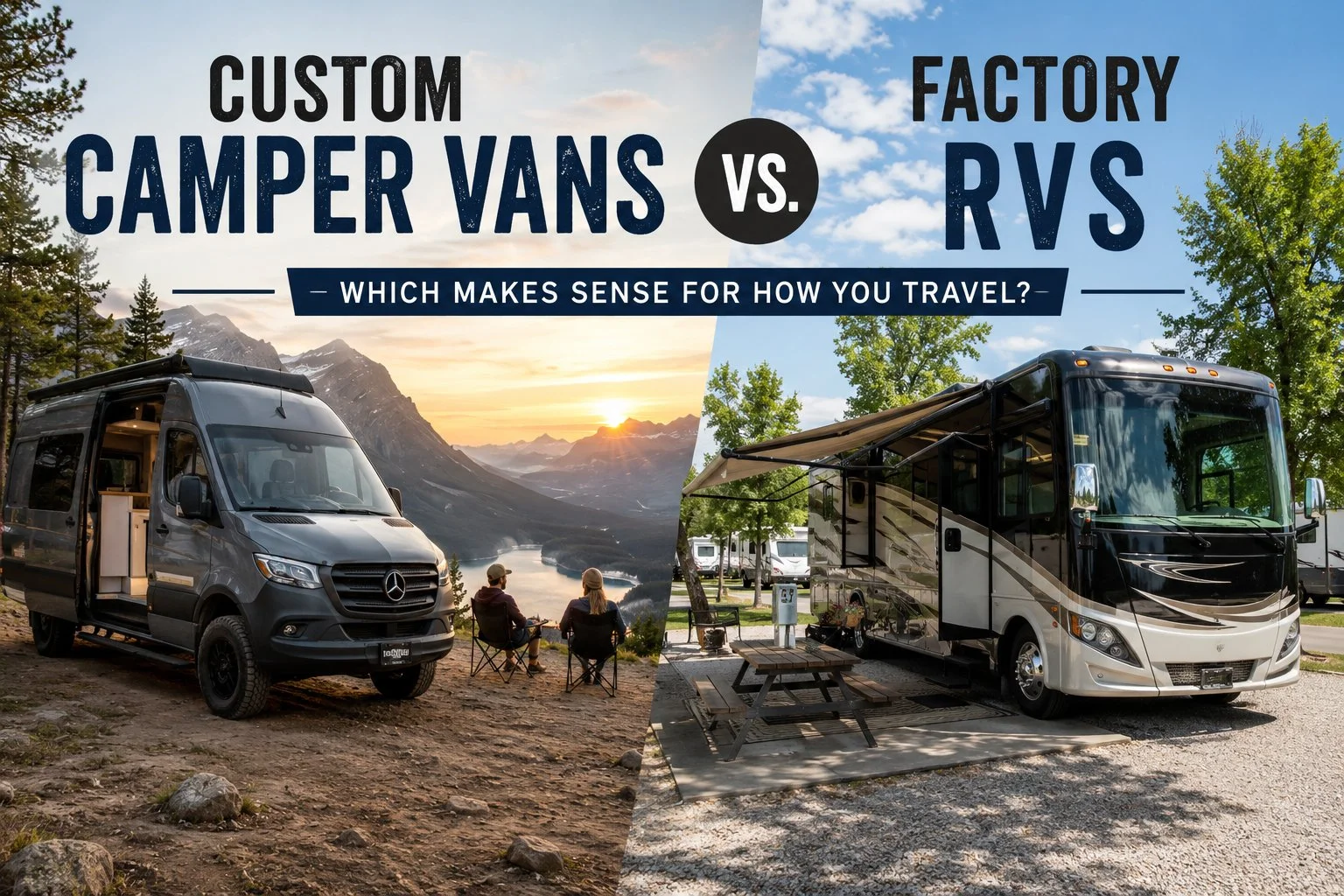
If you're considering life on the road, one of the biggest decisions you'll make is choosing between a camper van and a traditional RV.
It's a question we hear all the time, and the honest answer might surprise you:
Neither is inherently better.
They simply solve different problems.
The mistake many people make is comparing features instead of comparing lifestyles. A larger RV may seem like the obvious choice when you're standing inside one. Likewise, a camper van can seem limiting until you understand how people actually use them.
The best choice isn't the vehicle with the biggest kitchen, the largest bathroom, or the most storage.
It's the one that fits the way you actually travel.
Where Camper Vans Win
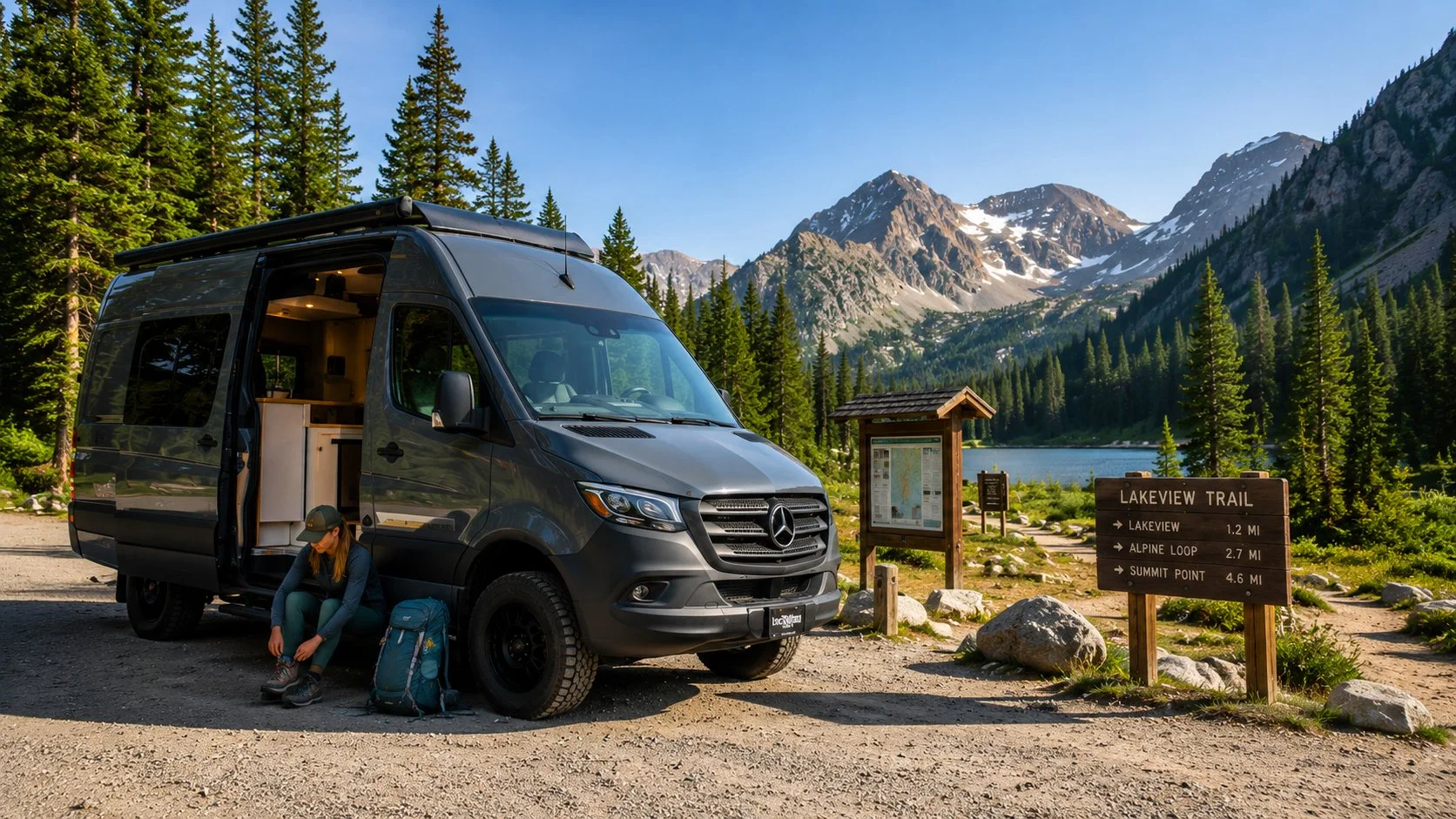
Camper vans excel in one area above all else:
Flexibility.
For most travelers, the majority of their time isn't spent sitting inside the vehicle. It's spent driving, parking, fueling, maneuvering, exploring, and getting from one place to another.
That's where vans shine.
Easier to Drive
Most camper vans are built on platforms like the Mercedes Sprinter, Ford Transit, or Ram ProMaster. If you're comfortable driving a large SUV or pickup truck, adapting to a camper van is usually straightforward.
You don't feel like you're piloting a bus.
Easier to Park
A camper van can often:
Fit in a standard parking space
Navigate city streets more comfortably
Access many trailheads and recreation areas
Fit into fuel stations without stress
Be stored at home instead of in a dedicated RV lot
For many owners, this convenience alone is worth giving up some interior space.
Better for Spontaneous Travel
One of the biggest differences we see is how often camper van owners actually use their vehicles.
It's easy to decide on Thursday that you want to leave Friday afternoon and spend the weekend somewhere new.
You don't need a detailed plan. You don't need campground reservations months in advance. You simply pack up and go.
Strong Off-Grid Capability
Modern camper vans have come a long way.
Many custom builds include:
Large lithium battery banks
Solar charging
Alternator charging systems
Efficient 12V appliances
Diesel or gasoline heaters
Significant fresh and gray water storage
Depending on your setup, you can comfortably spend days or even weeks away from hookups.
A Different Style of Travel
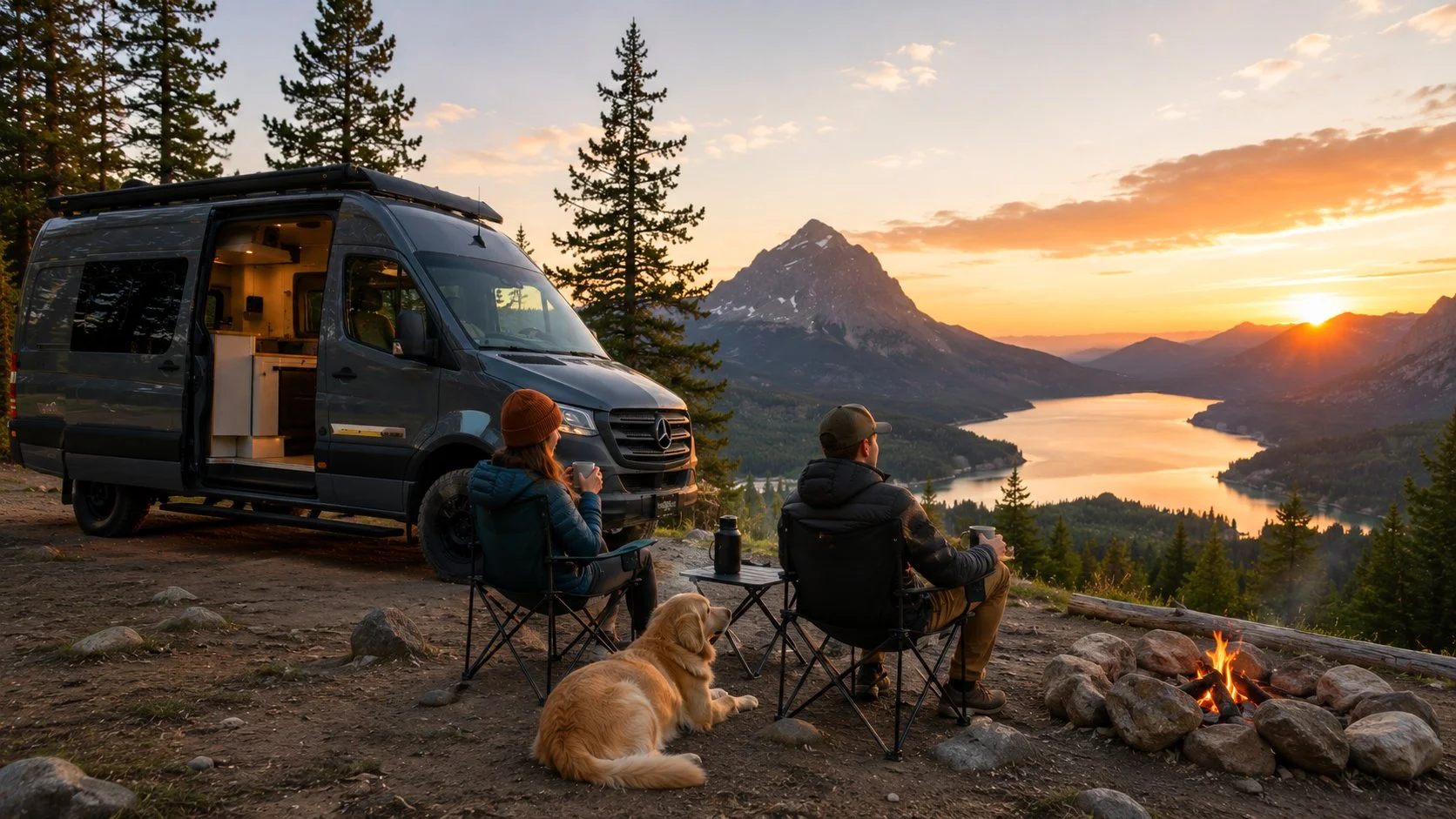
Because space is limited, van owners tend to spend more time outside.
They hike.
They bike.
They paddle.
They explore towns.
They sit around campfires.
The van becomes a comfortable basecamp rather than the destination itself.
Where RVs Win
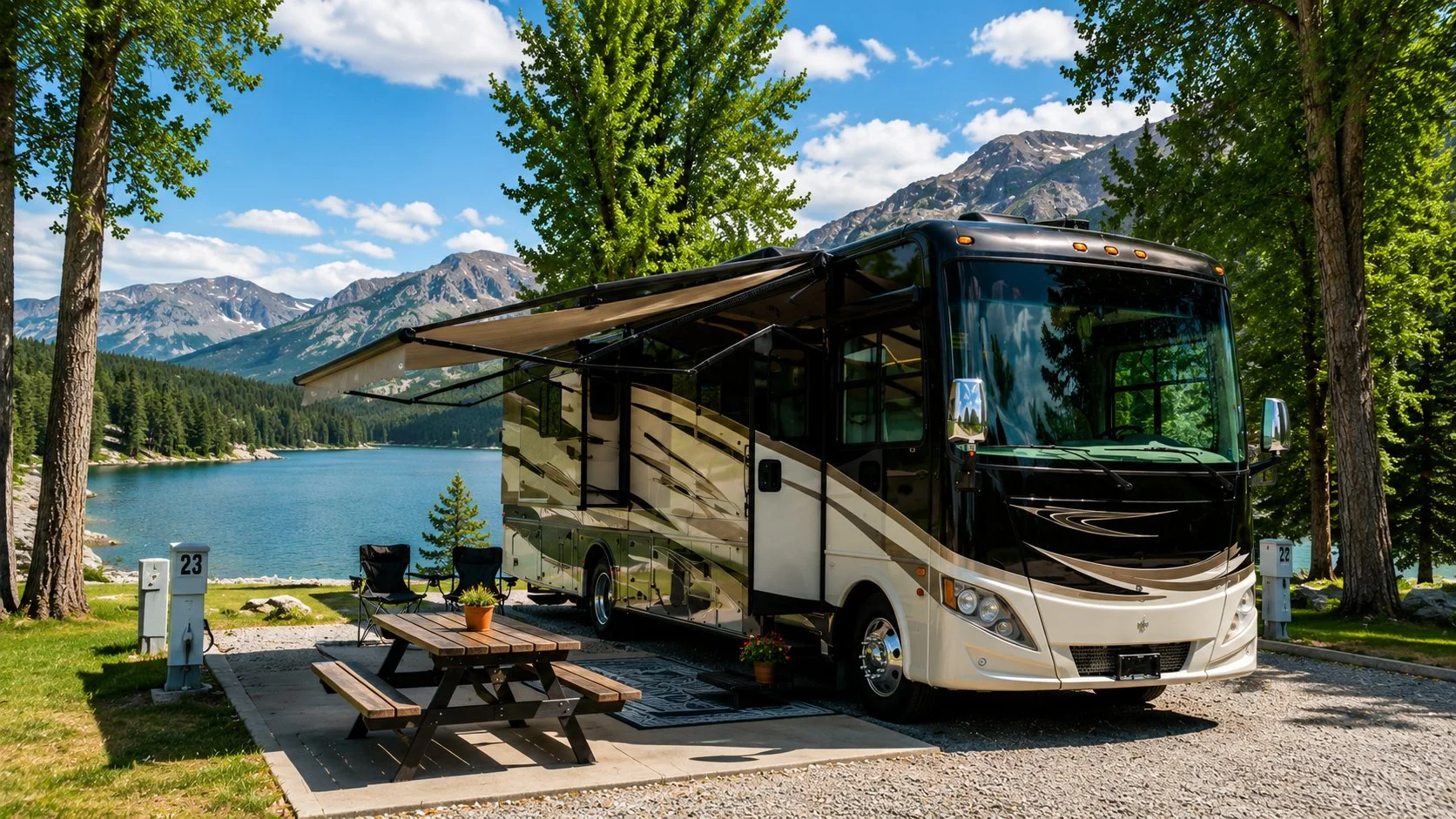
To be fair, RVs absolutely dominate in several areas.
More Living Space
This is the obvious one.
RVs offer:
Larger kitchens
Larger beds
More storage
Dedicated living areas
Separate sleeping spaces
If you're traveling with children, grandchildren, pets, or guests, the extra square footage makes a huge difference.
Better Bathrooms
There's simply more room.
Most RVs can accommodate:
Larger showers
Larger water tanks
More comfortable toilets
Dedicated changing space
In a camper van, every square inch matters. Bathrooms are often compact wet baths or creative multi-use spaces.
Better for Long-Term Stays
If you're planning to spend weeks or months in one location, RVs often provide a more comfortable living environment.
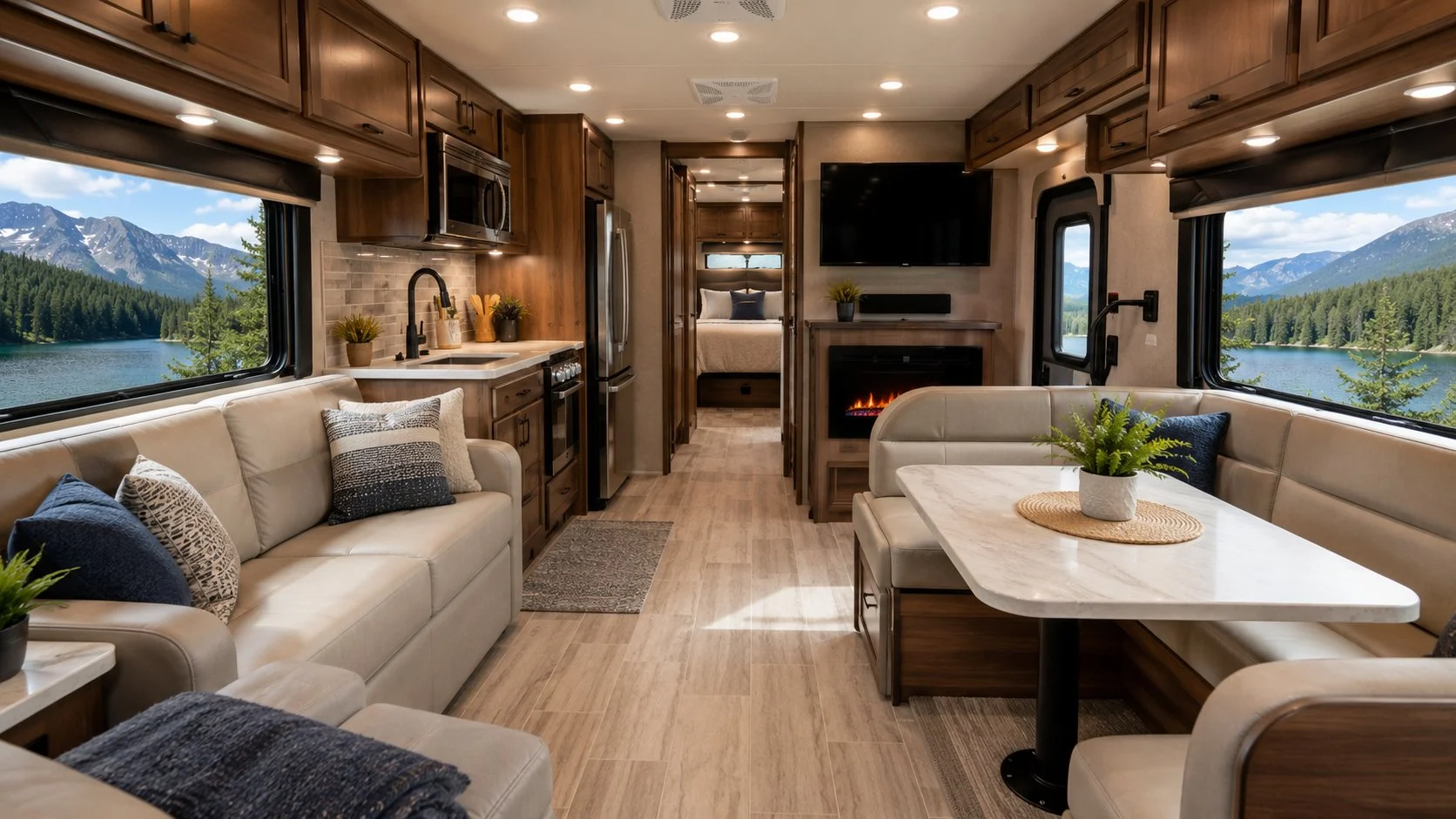
Dedicated spaces for:
Sleeping
Dining
Cooking
Relaxing
Working
can make day-to-day life feel less cramped over extended periods.
More Storage
RVs can carry:
More clothing
More outdoor gear
More tools
More recreational equipment
More household items
Without requiring the level of organization and minimalism that van life often demands.
More Space for the Money
RVs generally provide more square footage per dollar.
In many cases, a custom camper van can cost as much as, or even more than, a significantly larger RV.
Cost, Maintenance, and Reliability
This is where the conversation gets interesting.
Why Camper Vans Can Cost More
Many custom camper vans are designed to be highly self-sufficient.
That often means:
Large lithium battery systems
Solar power
Advanced charging systems
High-end electrical components
Quality cabinetry and hardware
Custom fabrication
These systems aren't inexpensive, but they're designed to support extended off-grid travel.
Operating Costs Often Favor Vans
Camper vans typically:
Get better fuel economy
Cost less to fuel
Are easier to maneuver
Can often be stored at home
Larger RVs frequently require dedicated storage and consume considerably more fuel.
Maintenance and Service
Camper vans also benefit from being built on commercial vehicle platforms.
Finding:
Service centers
Replacement parts
Qualified technicians
is usually straightforward.
RVs, on the other hand, require maintaining both the vehicle and a much larger house built on top of it.
That means more:
Plumbing
Roof maintenance
Slide-outs
Leveling systems
Generators
House-related repairs
The more systems you have, the more opportunities there are for something to need attention.
The Biggest Reliability Factor
Ultimately, the biggest factor isn't whether it's a van or an RV.
It's how well it was built.
A thoughtfully designed, high-quality build will generally provide years of reliable travel. A poorly constructed vehicle, regardless of platform, can become a constant maintenance project.
The Biggest Misconceptions
Bigger Isn't Always Better
People walk into an RV and immediately fall in love with the space.
What they often don't consider is:
Driving it
Fueling it
Parking it
Storing it
Maintaining it
Living space matters.
Usability matters too.
Camper Vans Aren't as Cramped as People Think
A well-designed van can feel surprisingly spacious because every inch serves a purpose.
You're not getting a 300-square-foot apartment.
But you're also not towing or driving one everywhere you go.
RVs Can't Go Everywhere
Many first-time buyers assume RVs can travel anywhere.
The reality is that route planning, campground reservations, low clearances, fuel stops, and parking considerations often become a major part of the experience.
Many places that are effortless in a van become much more complicated in a larger RV.
Off-Grid Capability Isn't Automatic
Many people assume RVs are naturally built for off-grid living.
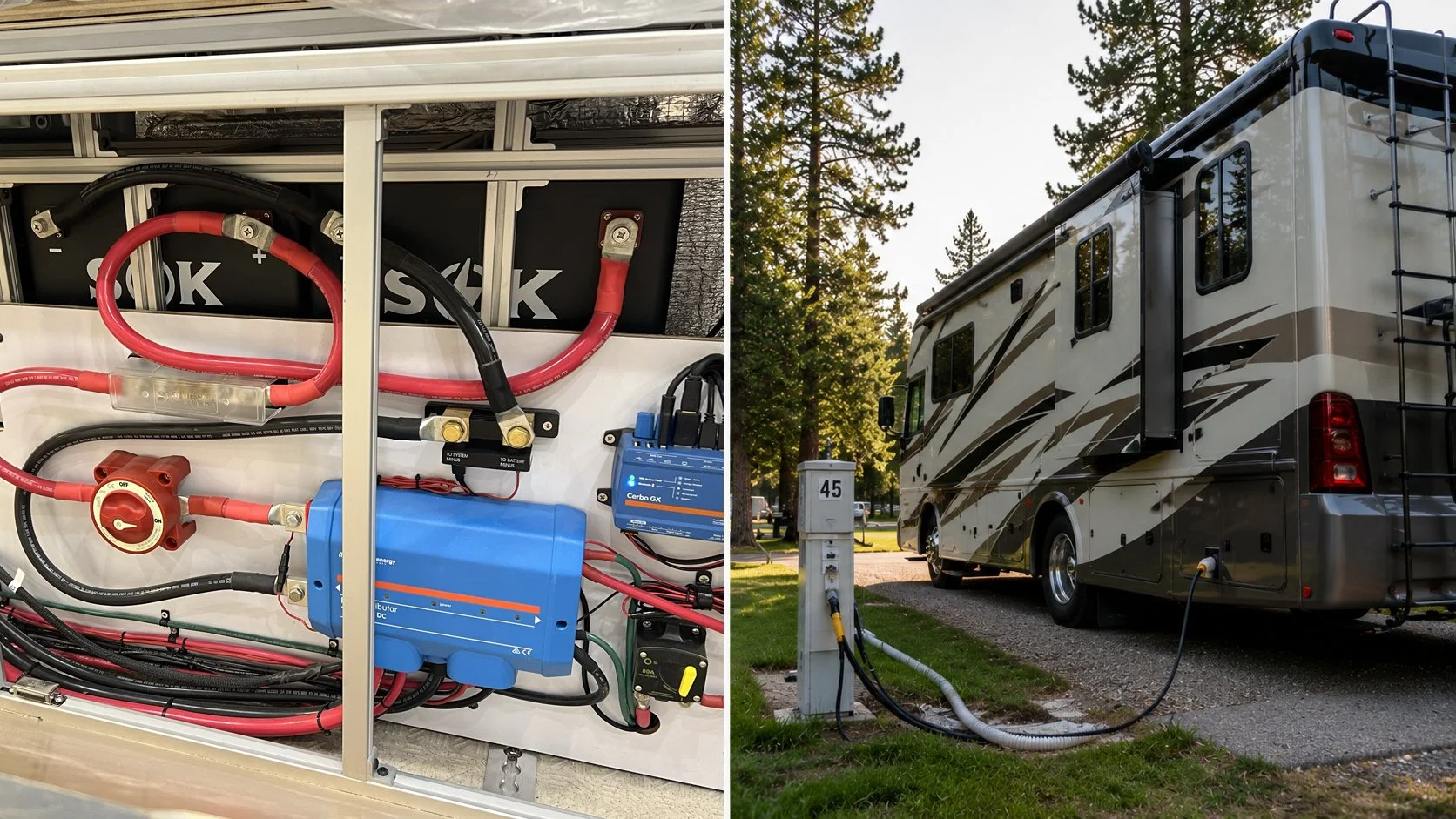
In reality, many still rely heavily on:
Campground hookups
Generators
Shore power
Meanwhile, many modern camper vans are specifically designed around off-grid capability.
The Real Difference: How People Actually Travel
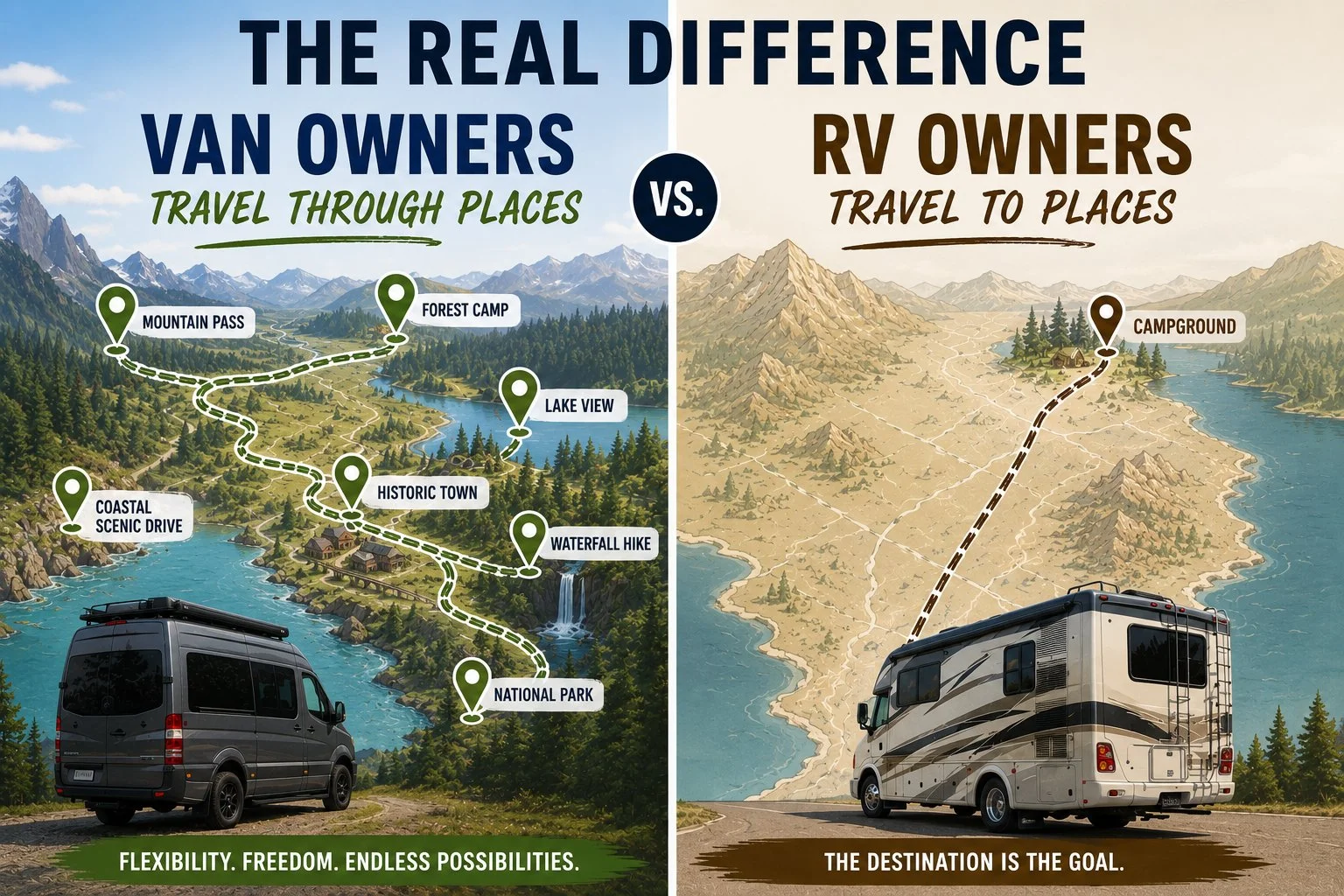
After years of watching customers use their vehicles, we've noticed a simple pattern:
Van owners tend to travel through places.
RV owners tend to travel to places.
Van owners often:
Move frequently
Explore spontaneously
Change plans easily
Stop at trailheads, overlooks, breweries, and mountain towns
Cover thousands of miles in a single trip
RV owners often:
Stay longer once they arrive
Spend more time in campgrounds
Set up camp and settle in
Use their vehicle as a destination
Neither approach is wrong.
They're simply different travel styles.
Which One Fits Your Travel Style?
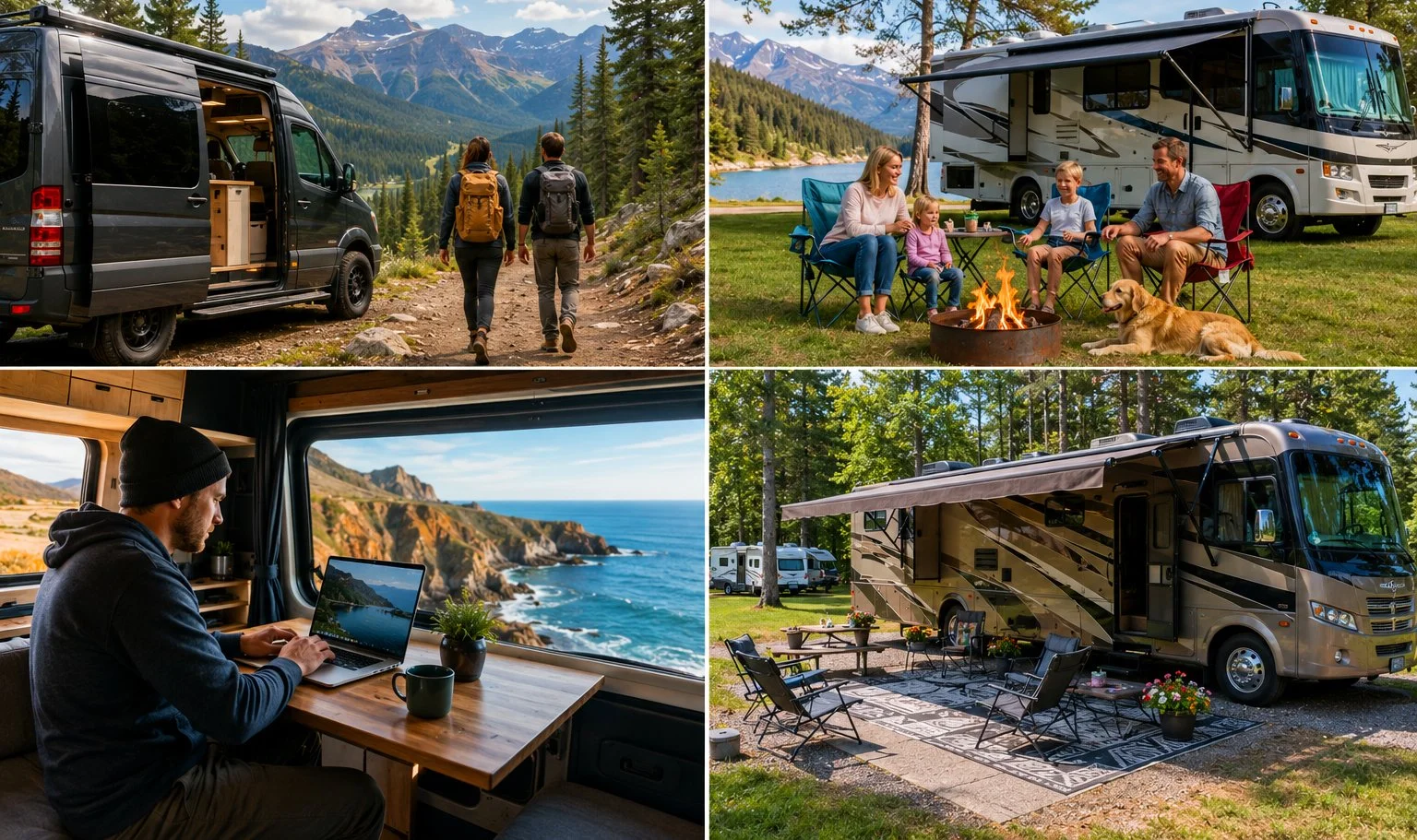
A Camper Van May Be Right for You If:
You're traveling as a couple
You enjoy road trips and frequent movement
You love hiking, biking, skiing, paddling, or exploring
You value flexibility and spontaneity
You want strong off-grid capability
You prefer easier driving and parking
An RV May Be Right for You If:
You're traveling with multiple children
You want maximum living space
You stay in one place for extended periods
You prioritize larger bathrooms and kitchens
You want dedicated sleeping areas
You value comfort once you're parked
Final Thoughts

The best travel setup isn't the one with the most features. It's the one you'll actually use.
If you're considering a camper van, take the time to think about how you travel today, not how you imagine you'll travel someday.
Do you move often? Prefer flexibility? Like exploring side roads and changing plans as you go?
Or do you enjoy settling into one destination and staying awhile?
There's no wrong answer. The goal is simply finding the platform that fits your lifestyle.
If you're exploring a custom camper van, we'd be happy to walk through your travel goals and help you determine whether a van is the right fit before you make a major investment.